Newsroom
October 27, 2025
Hinge’s Guide to Overcoming Communication Fog and Navigating Awkwardness
People are craving community more than ever, but for many, even simple conversations feel more overwhelming than they used to. Because Hinge is committed to supporting people’s holistic well-being, we’re shedding light on this experience and sharing practical ways to navigate it so people can feel more grounded and connected wherever they show up.
As we quickly approach the holiday season, more people want to put themselves out there, attend events, and meet new people. But for many, that excitement is followed by a familiar feeling: “How do I talk to people without feeling awkward?”
Through research Hinge conducted around building platonic relationships, 52% of young adults shared that anxiety or mental health challenges often prevent them from participating in social outings or events.* The desire for connection is strong, but a mix of anxiety and social fatigue is making everyday interactions feel surprisingly difficult. Hinge has identified a new name for this experience: communication fog.
What Is Communication Fog?
Communication Fog is the feeling of being stuck in your head about what to say during a conversation, ultimately preventing you from connecting with others. It’s feeling stage fright in everyday conversation. That awkward moment when you’re standing at the edge of a group and don’t know how to jump in, talk too fast or too formally, or freeze up completely.
Licensed therapist and Hinge’s Love and Connection Expert Moe Ari Brown (he/they) shares some key signs you might be experiencing communication fog:
- You know what you want to say, but the words come out jumbled.
- You feel hyper-aware of your tone.
- You overthink every word before speaking.
- You hesitate or freeze when approaching a group or entering a conversation.
- You default to small talk that feels stiff or performative.
- You talk faster than usual or ramble to fill the silence.
- You feel drained after brief interactions that would’ve once felt easy.
These moments can build into a bigger fear: the idea that you’re “too awkward” to belong.
The Guide to Being Awkward, Together
Earlier this year, Hinge released The Guide to Being Awkward, Together, a resource developed in collaboration with the digital magazine Perfectly Imperfect. The guide provides tools and tips for navigating awkwardness to foster deeper connections. In it, people shared their own experiences with communication fog and how they navigated it. One submission shared, “Met someone named Shawn. My name is Shawna. I responded, “oh my god! My name is Shawn, too!” Then stuttered through saying “wait, no, that’s not my name.” Moments like these remind us we’re not alone and awkwardness is universal.
Turning Awkwardness Into Connection
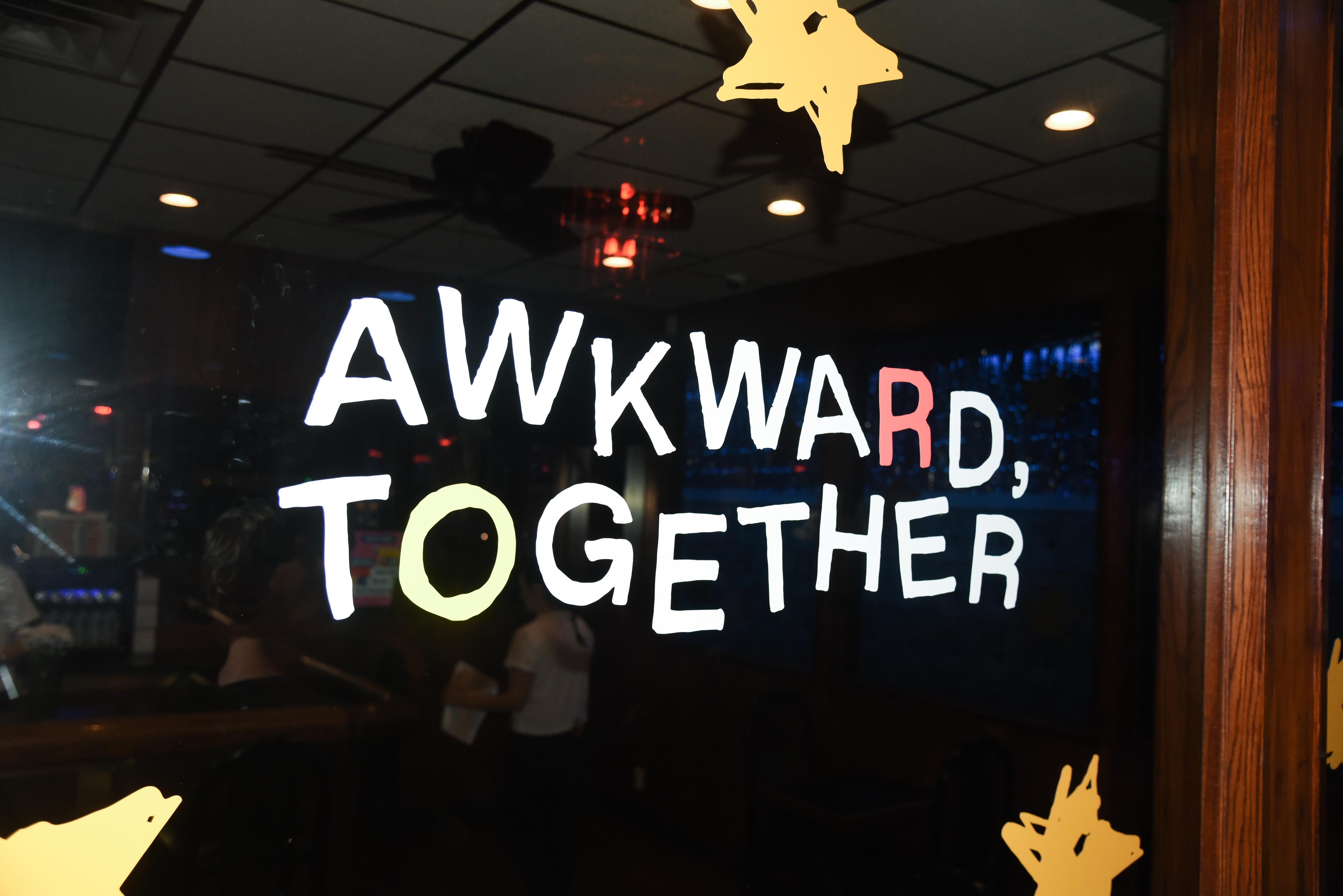
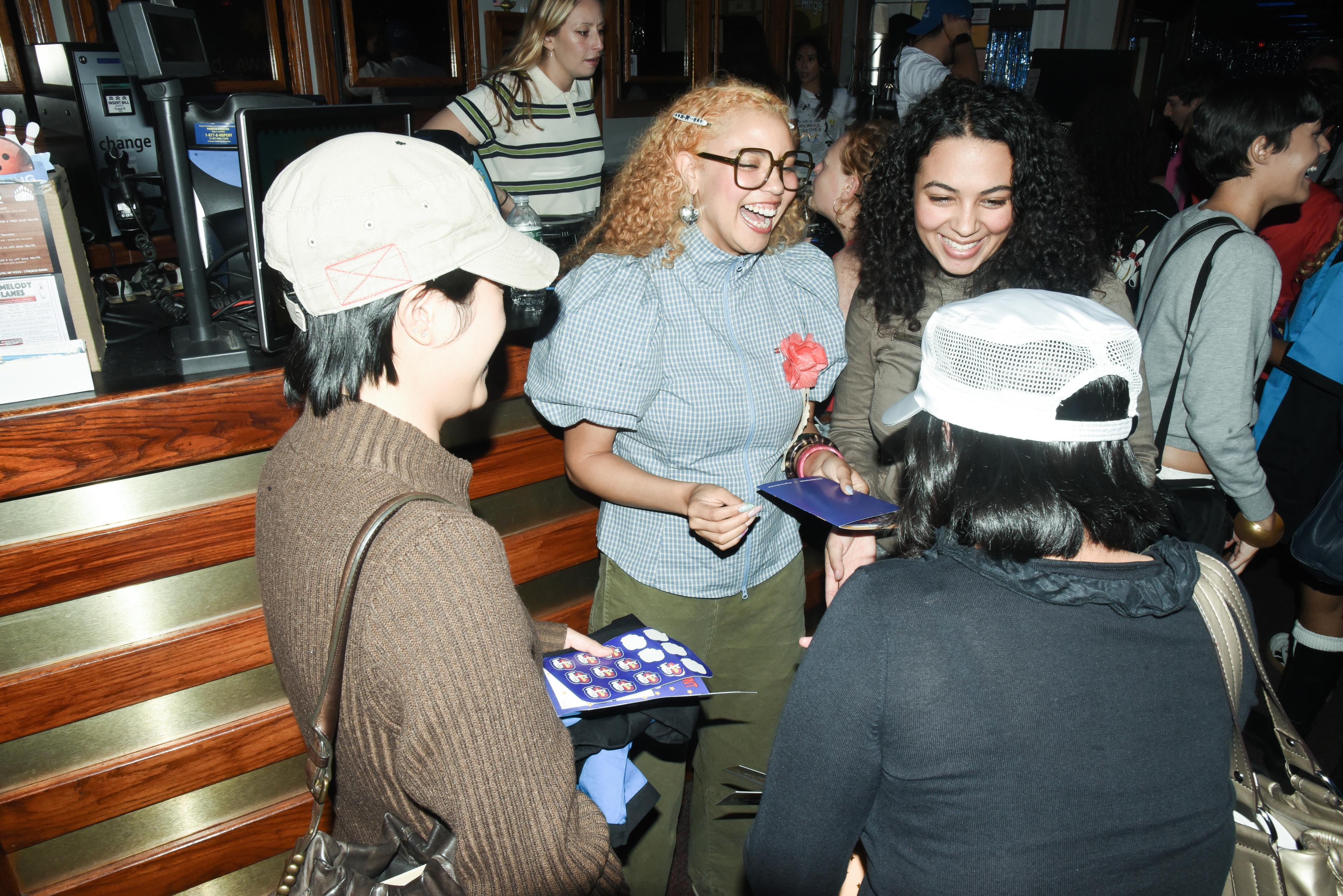
To bring Awkward, Together to life, Hinge and Perfectly Imperfect hosted a bowling event in October that encouraged people to embrace awkwardness together. Every element, from conversation Prompts to playful prizes like “Most Dramatic Gutterball,” was designed to spark genuine connection. These elements show that connection often happens because of awkwardness, not in spite of it. When we give ourselves permission to be silly, imperfect, or curious, we make it easier for others to meet us where we are.





Breaking Through the Communication Fog
According to Moe Ari, the key to overcoming communication fog is to stop seeing awkwardness as a sign of failure and instead view it as a bridge to belonging.
He explains, “At Hinge, we encourage people to approach building community as a journey of discovery, not performance.”
Here are Moe’s practical resets for breaking through the fog:
- Have some canned questions. This way, you don’t have to think of questions on the spot:
- What’s been the highlight of your week so far?
- How do you know folks here?
- What’s something you’re looking forward to this month?
- You seem like someone who has good taste—what’s the story behind [comment on a detail]?
- Watching any good series lately?
- Any books I should be putting on my reading list?
- Body Language Resets. We speak connection before we speak words. Nervous systems read safety through other people’s posture and our own. Even something as simple as unclenching your jaw or relaxing your shoulders can tell your nervous system, “You’re safe,” which helps conversations feel less pressured and more natural.
- When you feel stuck, you can name it gently with humor and warmth. Ultimately, you’re going to say what everyone else is likely feeling, or has felt at some point, too. This signals emotional fluency, vulnerability, and confidence all at once. Naming the fog helps you get unstuck while accomplishing the goal of connection. Say something like, “I need your help stopping my overthinking and to just enjoy this event: what’s something you’ve enjoyed lately?”
Awkwardness doesn’t block connection. By leaning into the fog with curiosity, humor, and openness, you invite others to do the same. That’s how belonging begins.
*Methodology:
From December 15, 2023 to February 15, 2024, dcdx and Hinge conducted a mix of qualitative and quantitative research, including national surveys of combined 3,508 young adults.
About One More Hour
Hinge believes that the holistic well-being of our daters leads to better dates and relationships. Our app encourages people to spend time together in person romantically. Yet we recognize that people need strong support networks beyond romantic relationships to feel a sense of belonging. With our social impact program, One More Hour, we challenge the stigma of loneliness, encourage connection-building behaviors, and make IRL third spaces more accessible.