Newsroom
December 29, 2025
Hinge’s Guide to Dating During Dry January
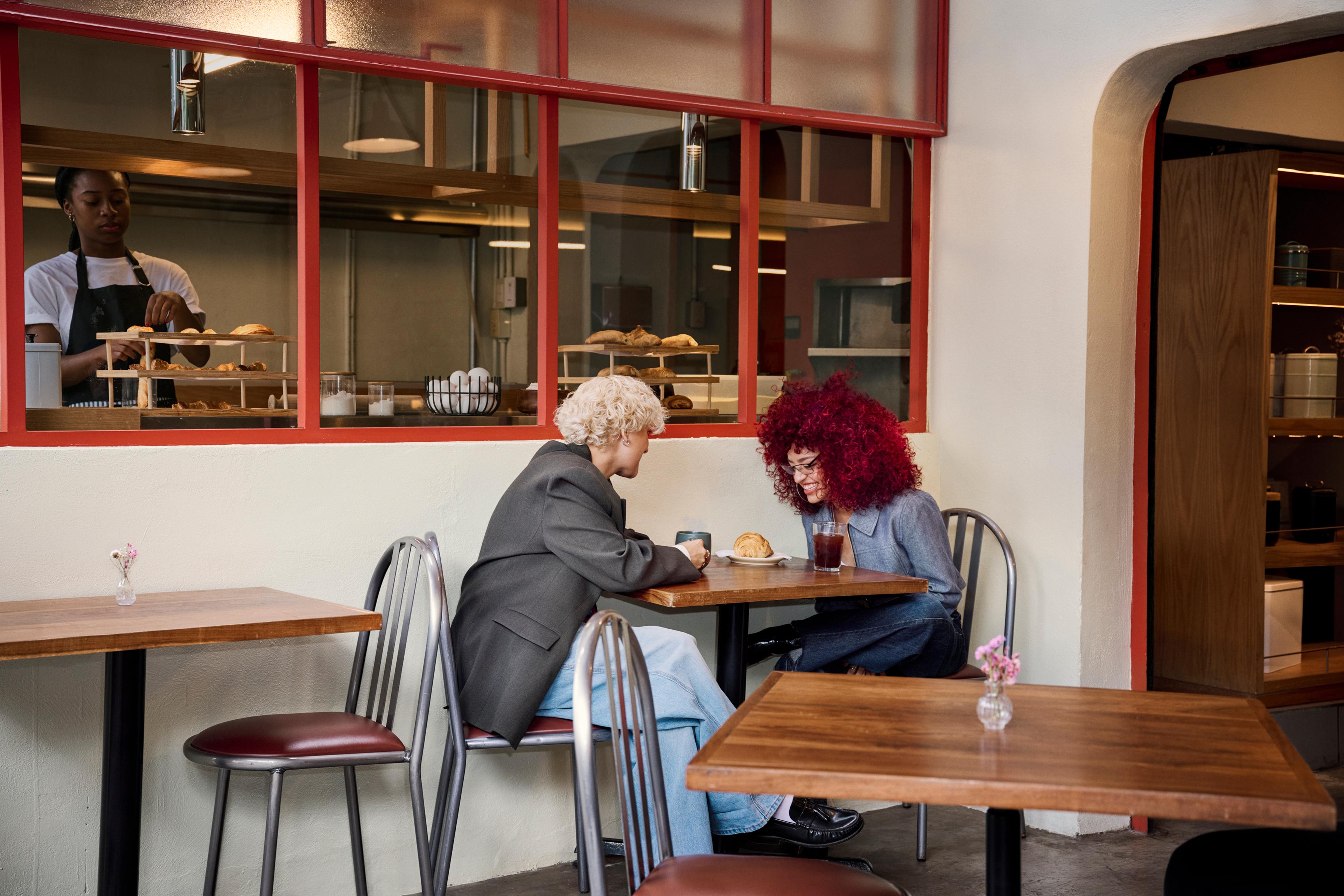
In 2026, daters are looking for clearer, more intentional connections, and Hinge’s data shows sober curiosity is leading the way. Our 2025 Gen Z D.A.T.E. (Data, Advice, Trends, and Expertise) Report revealed that 67% of Gen Z and 63% of millennials say they want to build romantic connections without relying on alcohol in the next year.
Dry January, a month dedicated to abstaining from alcohol, offers daters a built-in opportunity to practice what they’re already craving: slower pacing, clearer communication, and connection that isn’t dependent on alcohol.
Younger daters have been signaling this change for years, and the new Gen Z D.A.T.E. Report data makes it clear:
- 43% of all daters say they don’t have a preference about alcohol on a first date.
- Only 21% of younger Gen Z daters prefer to drink on a first date.
- LGBTQIA+ Gen Z daters are less likely to prefer alcohol on a first date than heterosexual Gen Z daters (21% vs. 27%).
- 45% of nonbinary Gen Z daters prefer a sober first date.
Below, Hinge’s Lead Relationship Scientist, Logan Ury (she/her), answers the most common questions from daters navigating Dry January, whether they’re participating themselves or dating someone who is.
Q: What is Dry January?
Logan: Dry January is a month-long break from alcohol. For some, it’s a reset after the holidays, and for others, it’s an experiment in self-awareness. For daters, it’s increasingly a way to show up with presence, rather than performance, with getting to know someone.
Q: Why are younger daters leading the shift toward sober dating?
Logan: Over the past few years at Hinge, we’ve watched a real cultural shift in how younger daters approach first dates, and drinking alcohol has become optional instead of required. Gen Z has been drinking less overall, not just on dates.
One reason Gen Z is sober curious is that they’re more attuned to their mental health than any previous generation, and they want to avoid that “hangxiety,” or feelings of dread and shame experienced the day after drinking, that creeps up on you the day after drinking. This trend also reflects a deeper aspect of Gen Z: they want to show up as their authentic selves and skipping drinks helps them achieve that.
Q: How do I manage first date nerves without alcohol?
Logan: People often rely on drinking to help them relax and enjoy themselves on dates. Instead, design a pre-date ritual as an alternative to liquid confidence.
Channel your inner-confidence by listening to a pump-up playlist, calling a friend for a pep talk, or making a mental list of all the reasons why you’d be a great partner.
Q: When should I let someone know that I’m participating in Dry January?
Logan: It’s helpful to be upfront about your preferences early on when you’re planning a date. If you don’t drink, do you mind if your date does? Let the other person know what you feel comfortable with. They might not know how to navigate the conversation, so lead the way by sharing openly. That way, they’ll feel safe asking questions.
Q: What are some fun sober date ideas?
Logan: There are plenty of fun date ideas that don’t require alcohol. Here are a few of my favorites:
- Laugh at a comedy show. Laughter is the perfect substance-free way to “take the edge off.” Laughing releases oxytocin – the same bonding hormone released during breast-feeding – and makes us trust the other person more. (And if it’s oxytocin you’re after, laughing is a more socially appropriate activity on a first date than breast-feeding.)
- Use your indoor voice. Go to a used bookstore and pick out a book for the other person to read.
- Show off your sophisticated side at an art gallery. If you can’t think of anything to say, just stare at the art, and your date will assume you’re deep.
- Go to a play or concert. Support the arts! Plus, you’ll have plenty to talk about after the show.
- Go to a board game cafe. You can work up a healthy flirtation as you play Bananagrams.
Q: How can I tell if we’re compatible without a drink?
Logan: Pay attention to how you feel around them:
- Do you feel more energized or drained after spending time together?
- Do they bring out a positive, curious side of you?
- Did you feel heard and comfortable being yourself?
These emotional cues matter far more than whether you bonded over a drink.
Q: What if my date is doing Dry January but I want to drink?
Logan: Knowing your own boundaries and communicating them is one of the most important parts of healthy dating. You also want to make sure you’re respecting theirs.
If your date isn’t drinking, check in with them before you order by asking something like, “I know you’re doing Dry January. Are you comfortable if I grab a drink, or would you prefer we keep it alcohol-free?”
Matching their choice, especially for the first date, sets a foundation of support and collaboration.
Q: How do I handle a mismatch in drinking habits long-term?
Logan: A difference in drinking habits doesn’t automatically mean you’re incompatible. What matters is how you communicate about it and whether you can respect each other’s boundaries over time. That means you’ll both need to be intentional about navigating this difference.
Start by having an honest conversation about what drinking means to each of you. Understanding why someone drinks (or doesn’t) helps you avoid assumptions.
From there, practice clear boundary-setting. Let your partner know what you’re okay with and where you need support. For example:
- Are you comfortable being at bars together?
- Do you prefer that certain activities are alcohol-free?
- How should you both navigate group events or celebrations?
The Bottom Line
Dry January is a chance to date with more clarity, intention, and confidence. Whether you’re going without alcohol for a month or the whole year, what matters most is showing up as your full, authentic self.